
How to Get Residents for Your Group Home: 10 Proven Strategies to Fill Your Beds
Group Homes, Marketing, Occupancy Strategies
How to Get Residents for Your Group Home: 10 Proven Strategies to Fill Your Beds
Demand for quality adult residential care is strong in 2026, but that doesn’t mean beds fill themselves. With occupancy across senior housing near record highs, families have many choices and they’re looking for homes they can trust. The good news is that with a clear plan, you can turn your group home into a consistently full, referral-friendly home that residents and professionals feel confident recommending.
Start with a Clear Vision of Your Ideal Resident
Before you focus on how to get residents for your group home, you need clarity on who you serve best. Are you supporting older adults who need help with daily living, adults with mental health needs, people in recovery, or individuals with developmental disabilities? The more specific you are, the easier it becomes to target the right group home referral sources and build trust with professionals and families.
Once you know your ideal resident profile, you can tailor your group home marketing, tours, and conversations to show exactly how your home meets their needs emotionally, medically, and socially. This clarity is the foundation for all the occupancy strategies that follow.
1. Build Strong Relationships with Discharge Planners and Social Workers
Discharge planners and social workers are often the first people families turn to when a loved one can no longer live safely alone. These professionals need reliable options. When they trust your home, you become a “go to” recommendation and that can keep your beds full for years.
Introduce yourself in person at hospitals, rehab centers, and community clinics; bring a simple one-page overview of your home and services.
Offer to be a resource, not just a placement option, answer questions, provide education on group home care, and respond quickly when they call.
Send occasional updates when you have openings, new services, or success stories (while protecting resident privacy).
💡 Pro Tip: Make it easy for discharge planners to reach you after hours. A responsive phone line can mean the difference between an empty bed and a new resident.
2. Get Listed on Referral Directories Families Actually Use
Many families start their search online through referral directories that specialize in senior living, mental health housing, or recovery homes. Being visible on these platforms is a powerful way to fill group home beds with families who are actively looking right now. Recent marketing research for residential care shows that organic search and directory listings are among the top drivers of qualified inquiries and move ins.
Claim and complete your profiles on reputable local and national directories that match your resident type (for example, senior care, mental health, or sober living networks).
Use warm, plain-language descriptions of your home, not jargon. Highlight what daily life feels like, not just the services you provide.
Keep your availability updated so professionals and families know when you truly have openings.
3. Partner with Hospitals, Clinics, and Case Managers
Hospitals and outpatient clinics are under pressure to ensure safe, appropriate discharges. Case managers are constantly looking for reliable, person centered homes. When you become part of their care transition plan, you gain a steady stream of residents whose needs match your strengths.
Offer to meet with care teams to explain your admission criteria, staffing model, and how you coordinate with physicians and therapists. Emphasize that your goal is continuity of care, not just filling beds. Consistent follow up and clear communication after a resident moves in builds trust and leads to more referrals over time.
4. Maintain a Strong Online Presence (Especially Google Business Profile)
In today’s digital first world, families expect to “meet” your home online before they ever call. A strong online presence is one of the most reliable group home occupancy strategies you can invest in and it keeps working for you 24/7.
Google Business Profile: Claim your listing, add accurate contact details, hours, and photos of your home, and choose categories that match your services. This helps you show up when families search for terms like “group home near me” or “assisted living in [your city].”
Simple website: You don’t need something fancy. A clear, mobile friendly website with your services, pricing ranges, admission criteria, and photos is enough to build trust and answer basic questions.
Answer common questions directly on your site, families appreciate transparency about what you offer, what you don’t, and how the move in process works.
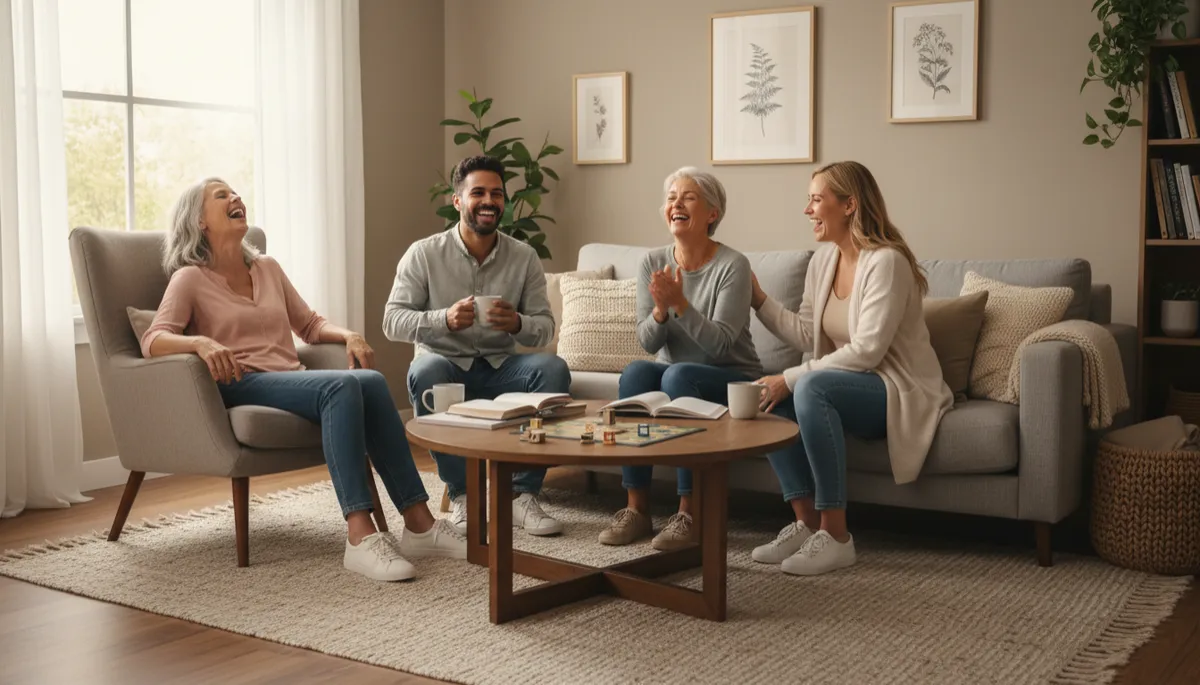
Warm, everyday moments of connection are what families remember after a tour.
5. Ask for Referrals from Current Families and Residents
When families feel their loved one is safe, respected, and truly cared for, they naturally talk about it. Word of mouth remains one of the most powerful ways to get residents for your group home especially in close knit communities and cultural groups where trust is everything.
Let families know you welcome referrals and that you’re honored when they recommend your home to others in similar situations.
Provide simple “about our home” cards they can share with friends, support groups, or faith communities.
Stay in positive contact with families even after a loved one moves out or passes away; they can still be strong advocates for your home.
6. Work with Placement Agents and Local Housing Navigators
Placement agents, senior housing advisors, and housing navigators in mental health or disability services help families compare options and choose the right home. For many operators, these partners are a major source of move ins, especially when you’re still building your own reputation.
Be transparent about your pricing, services, and what types of residents you can safely support. Agents appreciate honest partners who don’t accept residents they can’t serve well. Treat these relationships like long term partnerships: return calls quickly, provide updates on openings, and give feedback after placements so they know residents are thriving in your home.
7. Host Open Houses and Invite the Community In
Many people still imagine “facilities” when they hear the words group home or board and care. Opening your doors helps them see the difference: a real home, shared meals, and genuine relationships. Open houses are a gentle but effective group home marketing tool that builds familiarity and comfort before a crisis hits.
Invite neighbors, local professionals, faith leaders, and community organizations for coffee, light refreshments, and a casual tour.
Share simple educational topics such as “signs a loved one may need more support” or “what daily life is like in a group home.”
Highlight your safety practices, activities, and how you personalize care so visitors leave with a clear, positive impression.
8. Network with Local Mental Health and Social Service Agencies
For homes serving adults with mental health needs, developmental disabilities, or substance use recovery, community agencies are often your most important group home referral sources. Studies of sober living and residential treatment programs show that referrals from treatment centers, courts, and community providers account for a large share of admissions often more than paid advertising.
Attend local coalition meetings, provider networks, and task forces related to your resident population; show up consistently so people recognize you and your home’s name.
Offer to present brief overviews of your services to agency staff, emphasizing collaboration and communication.
Build relationships with specific clinicians and caseworkers; when they trust you with one resident, they are likely to send more.
9. Use Community Outreach Events to Stay Visible
Community outreach keeps your home top of mind long before a family is in crisis. When the time comes to make a decision, they’re more likely to call the name they already know and trust. This is especially important in a high occupancy environment, where families move quickly once they decide on a transition.
Participate in health fairs, senior expos, mental health awareness walks, or recovery events with a simple table, brochures, and a warm smile.
Offer short educational talks at libraries, community centers, or faith communities about caregiving, safety at home, or navigating housing options.
Sponsor or support local events that align with your mission; it shows that your home is invested in the broader community, not just in occupancy numbers.
10. Leverage Testimonials and Reputation Management
In 2026, families rely heavily on online reviews and personal stories to decide where to place a loved one. Research on residential care shows that homes with at least 20 Google reviews and an average rating above 4.2 are far more likely to be considered, even when other factors are similar. Your reputation, both online and offline is one of your strongest group home occupancy strategies.
Gently ask satisfied families if they would consider leaving an honest review on Google or a trusted directory; provide a simple link or QR code to make it easy.
Collect written or video testimonials (with proper consent) that describe what changed for their loved one after moving into your home better nutrition, improved mood, more social connection, or peace of mind for the family.
Respond kindly and professionally to all reviews, including critical ones. Families are not looking for perfection; they are looking for honesty and accountability.
📌 Key Takeaway: Every interaction online and in person either builds or erodes trust. Protect your reputation as carefully as you protect your residents.
Bringing It All Together: A Simple Occupancy Plan You Can Start Today
You don’t need a huge budget to keep your group home beds full. What you do need is a consistent, relationship based approach. Start by choosing just three to five of these strategies to focus on over the next 90 days, for example:
Meet with two local discharge planners or case managers each month.
Fully complete your Google Business Profile and ask three families for reviews.
Host one small open house or community education event each quarter.
Over time, these efforts compound. Professionals begin to recognize your name. Families see your reviews and feel reassured. Community members remember your talk when a friend mentions they need more support for a loved one. That’s how to get residents for your group home in a sustainable, ethical wayby building a reputation grounded in real care and consistent follow through.
As occupancy across adult residential care continues to rise nationwide, the homes that thrive will be those that combine excellent day to day care with thoughtful group home marketing and strong referral relationships. You’re not just filling rooms; you’re offering safety, dignity, and community to people who need it most. With the right strategies, your home can stay full and truly make the impact you envisioned when you opened your doors.
Ready to see what that could look like?
[Try the Group Home Grow Demo →](https://grouphomegrow.com/demo)